Why Choose PVC Flooring? Benefits, Durability, and Cost Explained
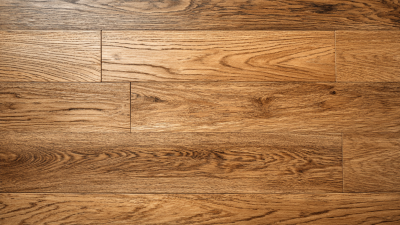
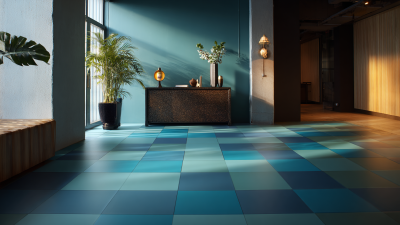
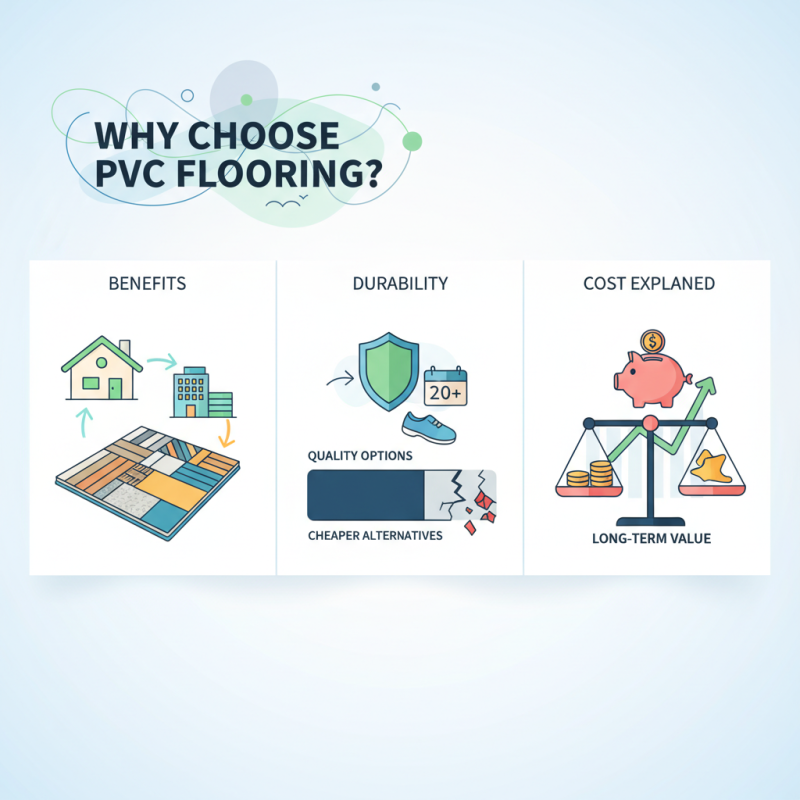
When choosing flooring, many are drawn to PVC. A recent report by Research and Markets indicates that the global PVC flooring market is projected to reach $22 billion by 2026. This growth reflects its rising popularity, especially in residential and commercial applications. PVC floor delivers versatility, ranging from vibrant designs to realistic textures that mimic wood or stone.
Durability is another key advantage. PVC floors withstand heavy foot traffic, making them ideal for busy environments. According to the Resilient Floor Covering Institute, PVC flooring can last over 20 years with proper maintenance. However, not all options provide the same quality. Some cheaper alternatives may not hold up as expected, leading to potential dissatisfaction.
Cost is often a decisive factor. PVC flooring is generally more affordable than its hardwood or tile counterparts. Yet, some consumers find themselves opting for low-cost products that may compromise on performance. Thus, it's essential to weigh the upfront savings against long-term value.
Understanding PVC Flooring: An Overview of Its Composition
PVC flooring is made of polyvinyl chloride, a strong synthetic material. Its composition is essential to its performance. The base layer provides stability, while the wear layer protects against scratches and stains. Advanced manufacturing processes enhance its durability, making it suitable for high-traffic areas.
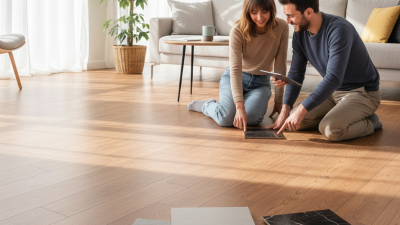
Another crucial aspect is the backing layer, which adds comfort underfoot. This layer can help reduce noise. It's designed for easy installation, often using a click-lock system. Some people find this DIY-friendly option appealing. However, improper installation can lead to issues like uneven surfaces.
While PVC flooring is water-resistant, it may not be completely immune to moisture. Some users report peeling at the edges in humid environments. The range of designs available can mimic wood or tile, giving versatility. Yet, it might not satisfy everyone’s aesthetic taste. Understanding these details helps make an informed choice.
Key Benefits of PVC Flooring: Why It Stands Out Among Alternatives
PVC flooring is increasingly popular due to its unique advantages. Its water resistance makes it ideal for kitchens and bathrooms. According to a recent report by the Resilient Floor Covering Institute, PVC flooring can handle moisture without warping. This characteristic alone sets it apart from traditional wood or laminate options.
Durability is another significant factor. PVC flooring can last up to 20 years with proper care. In high-traffic areas, it maintains its appearance longer than many alternatives. Studies show it withstands scratches and dents effectively, making it suitable for both residential and commercial spaces. Nonetheless, some users note that its surface can become slippery when wet, which is a concern worth considering.
From a cost perspective, PVC flooring is quite economical. The upfront installation cost is generally lower than hardwood or natural stone. For many families, this is a compelling reason to choose PVC. However, while it offers a budget-friendly solution, some may feel it lacks the elegant look of natural materials. It's essential to weigh these factors when making a decision.
Durability of PVC Flooring: Performance in High-Traffic Areas
PVC flooring stands out for its durability, especially in high-traffic areas. According to a recent industry report, PVC flooring can last up to 15-25 years with proper maintenance. This resilience makes it an attractive choice for homes, offices, and commercial spaces. Its structure is designed to withstand heavy foot traffic without losing its aesthetic appeal.
Moreover, PVC flooring is resistant to scratches and stains. This is crucial in environments where spills and dirt are common. For instance, schools and hospitals often choose PVC due to its easy cleaning and long lifespan. A study noted that facilities using PVC experienced 30% fewer replacement costs compared to other flooring types. However, its effectiveness can vary based on installation quality and environmental conditions.
The performance of PVC flooring isn’t flawless. In some cases, lower-quality options may fade over time. Some colors may not hold up well under ultraviolet light. Awareness of these shortcomings can guide better purchasing decisions. Industry experts suggest checking certifications and product specifications to ensure longevity.
Why Choose PVC Flooring? Benefits, Durability, and Cost Explained - Durability of PVC Flooring: Performance in High-Traffic Areas
| Metric |
Details |
Performance |
Cost |
| Durability |
Resistant to scratches and dents |
High |
$2 - $6 per sq. ft. |
| Water Resistance |
Ideal for moisture-prone areas like kitchens and bathrooms |
Excellent |
$2 - $6 per sq. ft. |
| Maintenance |
Easy to clean, requires minimal upkeep |
Low |
$2 - $6 per sq. ft. |
| Comfort |
Cushioned feel underfoot, reduces fatigue |
High |
$2 - $6 per sq. ft. |
| Installation |
Can be installed over existing floors |
Moderate |
$2 - $6 per sq. ft. |
| Longevity |
Lasts 10-20 years depending on care |
Very Good |
$2 - $6 per sq. ft. |
Cost Considerations: Comparing PVC Flooring to Other Materials
When considering flooring options, PVC flooring stands out. Its affordability is one reason many homeowners choose it. Reports indicate that PVC flooring can cost as low as $2 to $5 per square foot. In contrast, hardwood can reach $8 to $15 per square foot. The price difference is significant, especially for large areas.
Another factor is durability. PVC flooring is resistant to scratches and moisture. This makes it ideal for high-traffic areas like kitchens and bathrooms. A study from the Resilient Floor Covering Institute states that PVC flooring can last up to 25 years with proper care. In comparison, hardwood needs refinishing every few years, which adds to overall costs.
Tip: When choosing flooring, consider the long-term maintenance costs. While PVC may save you money upfront, remember to compare the total cost of ownership. Also, don’t forget to account for installation costs, which can vary significantly depending on the material. Always request multiple quotes from contractors to find the best deal.
Comparative Cost Analysis of PVC Flooring vs Other Flooring Materials
Installation and Maintenance: Simplifying the Process for Homeowners
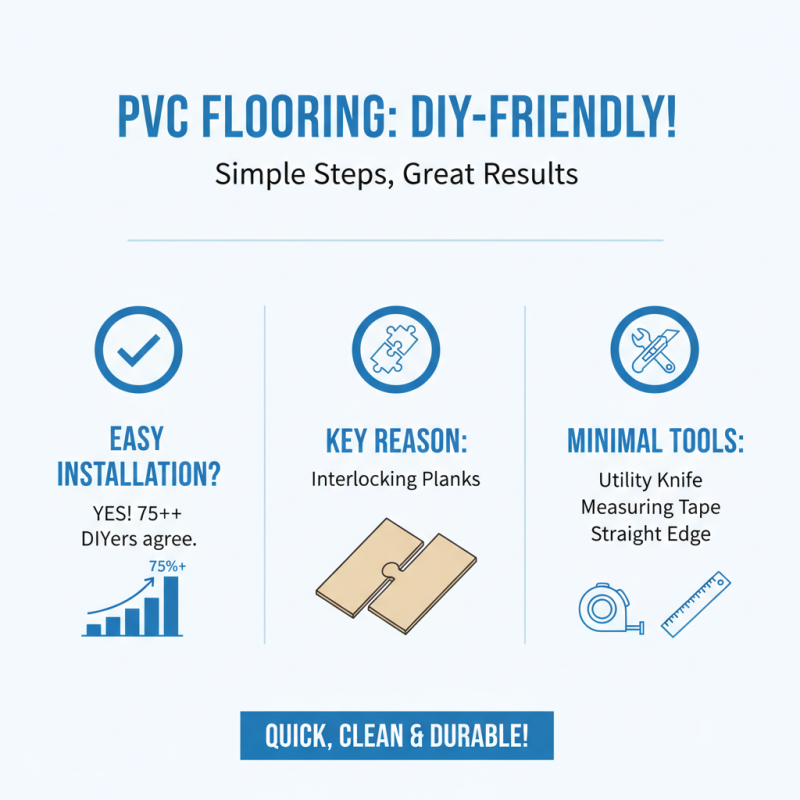
Installing PVC flooring can seem daunting. However, many homeowners report that the process is straightforward. According to industry surveys, over 75% of DIY enthusiasts find installing PVC flooring manageable. A key reason is the interlocking planks that simplify placement. Tools needed are minimal, typically just a utility knife, measuring tape, and straight edge.
Maintenance is another advantage of PVC flooring. Experts note that it only requires occasional mopping and sweeping. Unlike other materials, PVC is resistant to stains and moisture, making it an ideal option for kitchens and bathrooms. Approximately 80% of homeowners appreciate this low maintenance. However, some may overlook the importance of regular cleaning, which can lead to build-up and reduced longevity.
Despite its benefits, some users face installation challenges. Uneven subfloor surfaces can complicate the process. A report from the National Flooring Association indicates that proper subfloor preparation is crucial for a successful installation. Homeowners often need to address this before laying down new flooring. Recognizing these potential issues is essential for a smoother experience in both installation and long-term care.