Best Sports Flooring Options in China for Global Buyers?
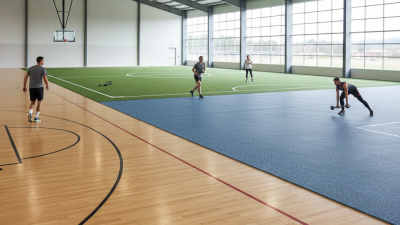
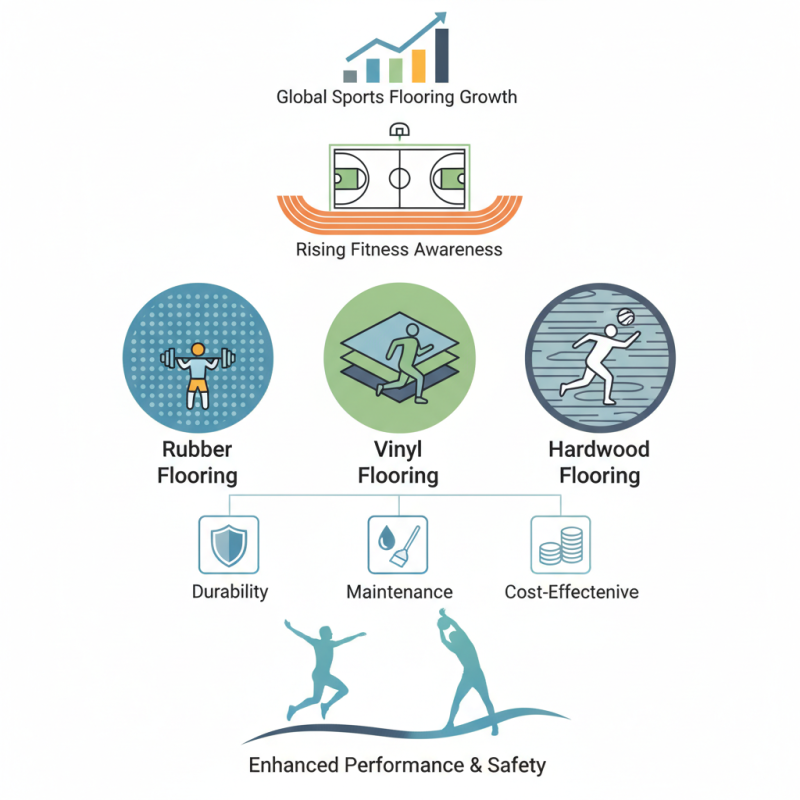
In recent years, the demand for high-quality Sports Flooring has surged across China. According to a report by Grand View Research, the global sports flooring market size was valued at USD 2.13 billion in 2021 and is expected to grow significantly. This growth reflects a rising awareness of fitness and the importance of quality surfaces in sports facilities.
Expert John Smith, a leading consultant in sports flooring, states, "Choosing the right flooring can make or break an athlete's performance." This highlights the critical role that proper flooring plays in enhancing athletic performance and safety.
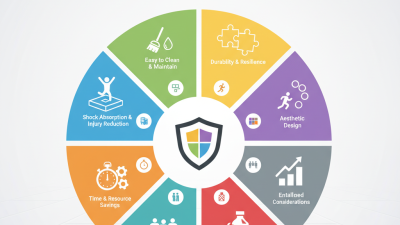
Buyers must understand the various options available. Rubber, vinyl, and hardwood are popular choices, each offering unique benefits. Still, the vast array of options can be overwhelming. Many buyers may feel uncertain about which type suits their needs best. It's essential to conduct thorough research and consider factors like durability, maintenance, and cost-effectiveness when selecting Sports Flooring. This thoughtful approach can lead to better decisions that support athletes and the facilities they use.
Overview of Sports Flooring Types Available in China
China offers a wide range of sports flooring options suitable for global buyers. The primary types include resilient vinyl, rubber, and wood. Each type has its unique benefits and potential drawbacks. For example, resilient vinyl flooring is popular due to its affordability and ease of maintenance. According to a recent report by Market Research Future, the resilient flooring market in China is projected to grow at a compound annual growth rate (CAGR) of 7.3% through 2027.
Rubber flooring is another option that provides excellent shock absorption. It’s often used in gyms and fitness centers. However, its higher initial cost can be a consideration. The China Rubber Industry Association noted that the rubber flooring market is experiencing a steady increase, with consumer demand focusing on health and safety features. Wood flooring, while aesthetically pleasing, can be less durable and requires more maintenance, which may deter some buyers.
Each flooring type serves different needs and applications. Global buyers should assess their specific requirements. Understanding the nuances of each flooring type is crucial. Failing to do so can lead to dissatisfaction. Comprehensive research and expert consultations can help navigate this complex market effectively.
Key Factors to Consider When Choosing Sports Flooring
Choosing the right sports flooring is crucial for performance and safety. Various materials, such as hardwood, rubber, and synthetic options, each have distinct benefits. According to a report by the Global Sports Flooring Market, the demand for durable and versatile flooring has been on the rise. This directly impacts athletes’ performance and reduces injury risks.
When selecting sports flooring, consider factors like shock absorption, traction, and maintenance. For instance, rubber flooring absorbs impact well and provides excellent grip. Hardwood surfaces, while elegant, may require more maintenance and can be slippery when wet. A study from the International Association for Sports Flooring highlights that poorly chosen surfaces can increase injury rates significantly.
Tips: Ensure the selected flooring meets local safety standards. Consult with professionals to understand the specific needs of your facility. Additionally, think about lifespan and environmental impact. Long-term investments in quality flooring can save costs on repairs and replacements. Not all options are suitable for every setting, so careful evaluation is essential.
Top Manufacturers of Sports Flooring in China
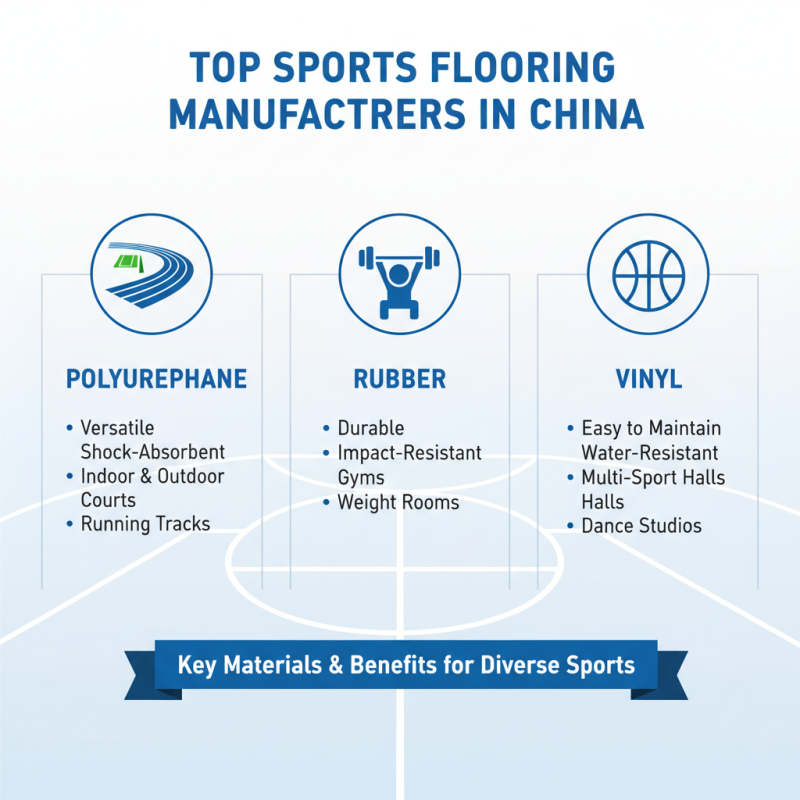
When exploring sports flooring options in China, buyers should consider the prominent manufacturers in this thriving market. These companies produce a variety of flooring types, including polyurethane, rubber, and vinyl. Each material has unique benefits for different sports activities.
One key tip is to prioritize durability. Sports flooring must withstand heavy foot traffic and impacts over time. Investigate the manufacturer's testing standards. Look for those that follow strict guidelines, ensuring high-quality products.
Additionally, evaluate the environmental impact of your flooring choices. Sustainability is increasingly crucial. Many manufacturers now focus on eco-friendly materials and production processes. This is a significant consideration for conscious buyers.
It’s also essential to understand the warranty options provided. A reliable manufacturer offers comprehensive warranties that reflect their confidence in product longevity. Always request detailed information about maintenance requirements. Some floors require specific cleaning methods to prevent wear.
Cost Comparison of Different Sports Flooring Options
When considering sports flooring options in China, cost plays a critical role. Various materials come with different pricing structures. For instance, vinyl flooring is usually more affordable. It offers decent durability and easy maintenance but might require replacement sooner than other options.
On the other hand, rubber flooring provides a longer lifespan. Although the initial investment is higher, it offers superior shock absorption and improves player safety. In contrast, hardwood flooring remains the premium choice. It adds aesthetic value and enhances performance, yet the high installation and maintenance costs can deter many buyers.
Buyers must also think about long-term costs. Cheaper options could lead to higher maintenance expenses later. It is essential to weigh the benefits against ongoing expenses. Each flooring type has unique considerations for budget-conscious global buyers.
Best Sports Flooring Options in China for Global Buyers
This chart compares the costs of different sports flooring options available in China, providing insights for global buyers.
Sustainability and Environmental Impact of Sports Flooring Materials
As global buyers consider flooring options in China, the sustainability of sports flooring materials stands out. Traditional flooring often utilizes synthetic materials, which can be harmful to the environment. Reports suggest that manufacturing synthetic sports flooring yields significant greenhouse gas emissions. Sustainable alternatives are gradually gaining traction, often made from renewable resources.
Natural and recycled materials are key components in eco-friendly flooring. A study indicated that cork and rubber, sourced from sustainable plantations, can significantly reduce environmental impact. These materials not only lower carbon footprints but also enhance performance. According to the International Journal of Sports Science, using such materials can improve athlete comfort and reduce injury risks.
However, challenges remain. Some buyers may prioritize cost over sustainability. Others may lack awareness of eco-friendly options. This can result in continued usage of non-renewable materials. The need for more education in the market is evident. Producers should emphasize transparency in sourcing and production methods. Empowering consumers with information could lead to better choices and ultimately a healthier planet.