How to Choose the Best Rubber Vinyl Tiles for Your Needs?
Rubber Vinyl Tiles are a popular flooring choice for both residential and commercial spaces. Their versatility and durability make them appealing. As you explore options, you will encounter various styles, colors, and textures. Choosing the right tiles can be challenging, yet it's essential for achieving the desired aesthetic and functionality.
Understanding your specific needs is vital. Consider where the tiles will be installed. Waterproof options work well in basements or kitchens. For high-traffic areas, thicker options provide better durability. Review installation methods, as some tiles offer easier DIY solutions. Quality varies widely, so research brands and seek reliable recommendations. Your choice should reflect both your style and practical requirements.
Selecting Rubber Vinyl Tiles involves balancing aesthetics and function. Each project has unique demands, and not every tile will suit your space. Take time to compare features. Will the style enhance your environment? Making an informed decision requires careful thought and consideration. Embrace the process and reflect on the choices you face.
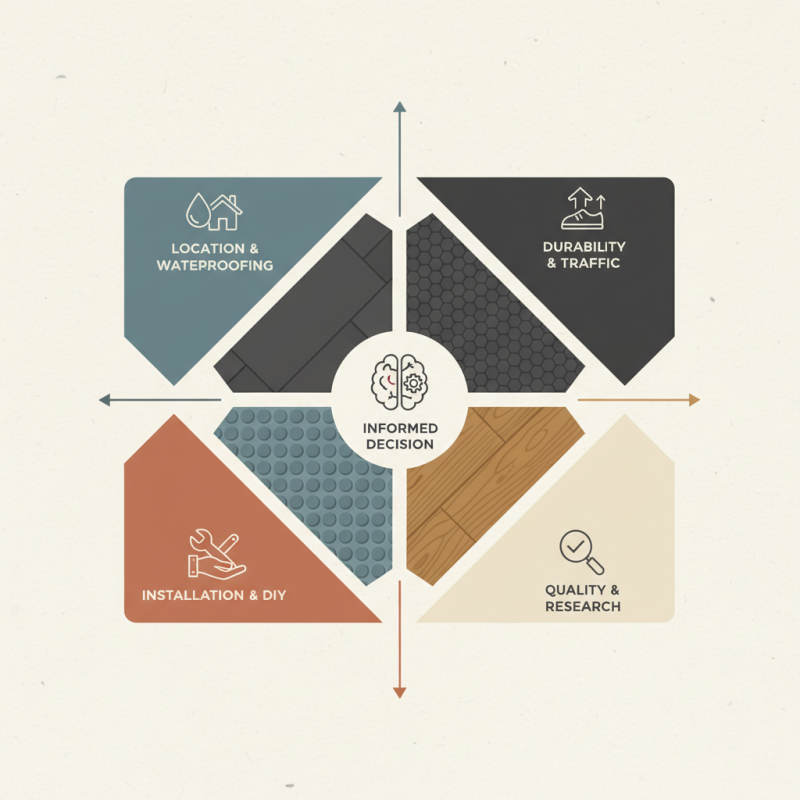
Factors to Consider When Choosing Rubber Vinyl Tiles
When choosing rubber vinyl tiles, several key factors should guide your decision. First, consider the tile thickness. Thicker tiles often provide better durability and comfort underfoot. This is especially important in high-traffic areas. The thickness can range from 2mm to 10mm, affecting both performance and price.
Next, think about the surface texture. Some tiles offer a smooth finish, while others are embossed for grip. A textured surface can help prevent slips in damp conditions. Look for tiles that balance aesthetics and safety. Color options also matter. The right color can enhance a space, while darker shades might show dirt more easily.
Additionally, warranty options reflect the tile's quality. A longer warranty usually indicates manufacturer confidence. Reflect on how these factors align with your specific needs. For example, a gym floor has different requirements than a children’s play area. Taking the time to evaluate these aspects will ensure your choice meets both functionality and style.
Factors to Consider When Choosing Rubber Vinyl Tiles
Understanding Different Types of Rubber Vinyl Tiles Available
When considering rubber vinyl tiles, it's essential to understand the different types available. Rubber vinyl tiles come in various thicknesses and textures. Thicker tiles typically provide better cushioning and durability. Some tiles are designed for commercial spaces, while others cater to residential needs. The right choice depends on your specific use case.
Texture matters too. Smooth finishes are easier to clean but may be slippery when wet. Textured tiles offer better grip, making them suitable for high-traffic areas. You can find tiles that mimic the look of natural materials. This offers the aesthetic appeal without the maintenance issues.
Reflect on your environment. Do you have pets or kids? If so, you might need slip-resistant and easy-to-clean options. Consider the installation process as well. Some tiles require glue, while others have a simple interlocking design. Evaluate your skills and the tools at your disposal. Every choice has its pros and cons, and taking the time to weigh them is crucial.
Evaluating Durability and Maintenance Needs for Rubber Vinyl Tiles
When evaluating the durability and maintenance needs of rubber vinyl tiles, it’s crucial to understand their unique properties. According to the National Floor Covering Association, rubber vinyl tiles can last between 10 to 25 years when properly maintained. Their resilience makes them a popular choice for high-traffic areas, such as gyms and commercial spaces. However, factors like installation quality and environmental conditions significantly impact their longevity.
Maintenance is vital to ensure these tiles perform optimally. Regular cleaning, typically involving sweeping and occasional mopping, is recommended. A study by the Resilient Floor Covering Institute indicates that effective maintenance can prevent surface wear and extend the life of the tiles significantly. It’s important to note that neglecting upkeep can lead to discoloration and damage, making early intervention essential.
While rubber vinyl tiles are resilient, they are not immune to wear. Scratches and scuffs can occur, particularly in areas with heavy equipment or high foot traffic. Investing in protective mats or area rugs can mitigate this risk. Understanding these maintenance needs helps in ensuring that rubber vinyl tiles meet your durability expectations and serve your space effectively for years to come.
Assessing Aesthetic Options for Rubber Vinyl Tile Design
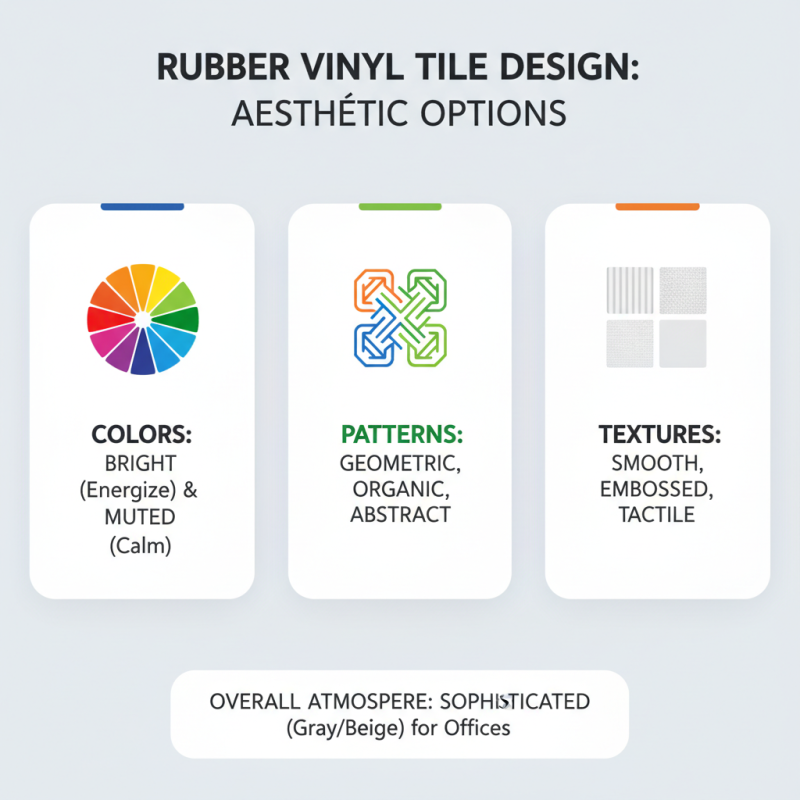
When considering rubber vinyl tiles, aesthetic options play a crucial role. The design can significantly influence the overall atmosphere of a space. Colors, patterns, and textures are key aspects to think about. Bright colors can energize a room, while muted tones provide a calming effect. For instance, choosing a soft gray or beige might create a sophisticated look, making it suitable for office environments.
Patterns can also add interest. Geometric designs can bring a modern touch, while botanical motifs may evoke a more natural feel. It's essential to match the tile design with the intended use of the space. For high-traffic areas, a bold pattern might distract from wear and tear. However, a subtle texture can add depth without overwhelming the room.
Thoughtfully assessing these options is vital. It’s easy to focus on looks but functionality is equally important. A tile that looks good might not perform well under certain conditions. Make choices that meld beauty and practicality. A detailed review of aesthetic options ensures a satisfying result, reflecting both style and purpose.
Cost Considerations and Budgeting for Rubber Vinyl Tile Purchase
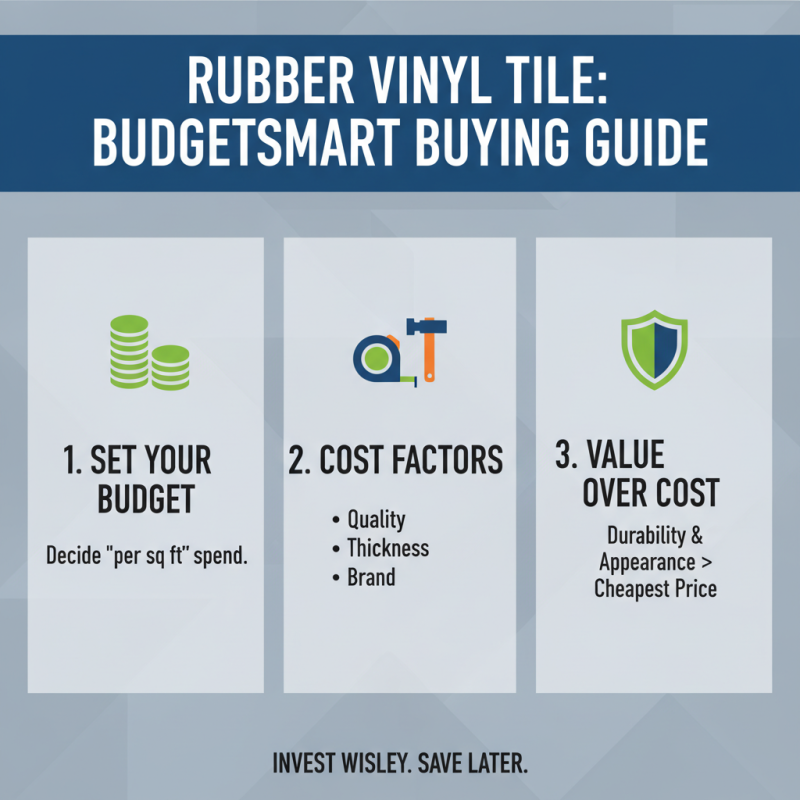
When considering rubber vinyl tiles, budgeting is crucial. The cost can vary widely based on quality, thickness, and brand. It’s essential to establish a budget early on. Identify how much you are willing to spend per square foot. Remember that the cheapest option may not always provide the best value in terms of durability or appearance.
Installation costs are another factor. Hiring professionals may increase overall expenses. However, you could opt for a DIY approach to save money. This decision can reflect personal skills and time availability. Factor in the costs of tools and materials needed for self-installation. Additionally, consider long-term maintenance costs. Some tiles require more upkeep than others, which can add to overall expenses.
Research local suppliers for the best prices. Compare quotes from different stores or online platforms. Always check customer reviews for insights on quality and service. Be wary of deals that seem too good to be true. Sometimes, they lead to regrets later. Buying quality tiles should align with your long-term needs, not just the initial cost.