Top 10 Exercise Floor Mats for Ultimate Comfort and Support?
Choosing the right Exercise Floor Mats can significantly enhance your workout experience. The right mat provides comfort and support, reducing strain during exercises. Many people overlook the importance of proper flooring for their fitness routines.
Exercise Floor Mats come in various materials and thicknesses. A thicker mat may offer better cushioning, but it can also be bulkier. On the other hand, a thinner mat can be more portable but might not provide adequate support.
It's crucial to consider your exercise type. For yoga or Pilates, a non-slip surface is essential. For high-impact exercises, extra cushioning can prevent injury. Reflecting on your needs will help you find the perfect mat, improving your overall fitness journey.
Top 10 Exercise Floor Mats for Ultimate Comfort and Support
When choosing exercise floor mats, comfort and support are essential. High-quality mats can alleviate pressure on joints and improve workout performance. According to the International Journal of Sports Physiology and Performance, proper cushioning helps reduce injury risks by 30% during high-impact activities.
Many mats come with various thicknesses. A thicker mat can provide more comfort but might also affect balance. The right choice often depends on the user’s workout type. For example, yoga enthusiasts may prefer a thinner option for better stability. The American Council on Exercise advises that a mat’s material should also offer both grip and durability.
Users often overlook cleaning and maintenance. Mats can accumulate sweat and bacteria, which may lead to odors and hygiene concerns. Regular cleaning is vital for longevity. Experts recommend using warm, soapy water and avoiding harsh chemicals. Many mats are portable, making them easy to transport. However, durability should not be sacrificed for convenience. The selection process can be overwhelming. However, understanding personal needs can lead to better choices.
Understanding the Importance of Exercise Mats for Joint Protection
When engaging in physical activities, choosing the right exercise mat is crucial for joint protection. Exercise mats provide cushioning that absorbs impact during workouts. This cushioning can help prevent injuries to knees, elbows, and wrists. Inconsistent surfaces can lead to discomfort and strain, which is especially true for high-impact exercises. A well-chosen mat makes a significant difference.
Many people overlook the importance of proper support. A thin or worn-out mat can lead to soreness after a workout. You may not feel the effects immediately, but they accumulate over time. For instance, repetitive motions on hard surfaces can stress your joints. An adequate mat distributes your weight evenly, reducing pressure on sensitive areas.
Moreover, the texture of a mat can influence stability during exercises. A slippery surface increases the risk of falls and injuries. It's essential to test mats in-store whenever possible. Look for options that suit your type of workout, whether yoga, cardio, or strength training. Not every mat works for everyone. Understanding specific needs will lead to much better outcomes.
Key Materials Used in High-Quality Exercise Floor Mats
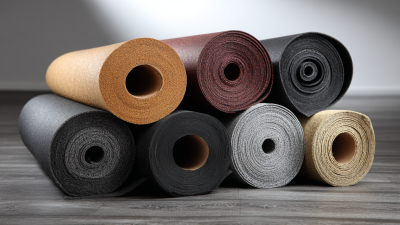
When choosing an exercise floor mat, the material plays a crucial role in comfort and support. High-quality mats often use materials like PVC, rubber, and foam. Each type has its benefits.
PVC mats are durable and easy to clean, making them a popular choice for many fitness enthusiasts. Rubber mats, on the other hand, offer excellent grip and cushioning. This can help prevent injuries during workouts. Foam mats provide softness, which is perfect for yoga and stretching exercises.
Another key factor is the thickness of the mat. Thicker mats can absorb more impact, making them ideal for high-intensity workouts. However, they may not be stable for certain balance exercises. It's essential to find the right balance. Some users might find their mats too soft, leading to instability during practice. This highlights the importance of personal preference in the selection process.
Many users overlook the importance of mat texture. A textured surface can enhance grip, especially during sweaty workouts. However, a rough texture might be uncomfortable for some. Reflecting on your personal experience, consider how different materials and textures feel underfoot. The right exercise mat should feel supportive and comfortable, providing a solid foundation for your fitness journey.
Evaluating Thickness and Density for Optimal Cushioning
Choosing the right exercise floor mat is essential for comfort and support during workouts. When evaluating mats, thickness and density play significant roles in providing optimal cushioning. A thicker mat offers more cushioning, reducing strain on joints. However, too much thickness can make balance difficult.
Dense materials contribute to better durability and support. They can absorb shock effectively, which is crucial during high-impact exercises. Finding the right balance between thickness and density is key. Take your time to assess your exercise routine and personal comfort preferences.
Tips: Test different mats before purchasing. Walk on them, perform stretches, or try out some exercises. This hands-on approach can reveal what feels best for you. Don’t forget about maintenance. A clean mat lasts longer and keeps your workout space hygienic. Consider how easy it is to clean your mat after use. A mat that’s hard to maintain might not be worth the investment.
Top 10 Exercise Floor Mats for Ultimate Comfort and Support
| Mat Type |
Thickness (inches) |
Density (lb/ft³) |
Surface Material |
Weight (lbs) |
Price (USD) |
| Foam Mat |
0.5 |
4 |
PVC |
2 |
30 |
| Rubber Mat |
0.75 |
5 |
Natural Rubber |
3 |
50 |
| TPE Mat |
0.6 |
6 |
TPE |
2.5 |
35 |
| EVA Mat |
0.4 |
3 |
EVA |
1.5 |
25 |
| PVC Mat |
0.5 |
4.5 |
PVC |
2.2 |
28 |
| Cork Mat |
0.3 |
3.2 |
Cork |
2.8 |
40 |
| Yoga Mat |
0.25 |
3.5 |
NBR |
1.2 |
20 |
| Interlocking Mat |
0.75 |
5.5 |
Foam |
4 |
45 |
| Luxury Mat |
1.0 |
7 |
Microfiber |
5.5 |
70 |
| Heavy-Duty Mat |
1.5 |
9 |
Vulcanized Rubber |
6 |
85 |
Comparative Analysis of Popular Exercise Mat Brands and Their Features
When it comes to choosing the right exercise mat, comfort and support are paramount. A well-chosen mat can enhance your workout experience, allowing for smoother transitions and better stability. Different materials and thicknesses can greatly impact performance. For instance, thicker mats often provide more cushioning, which is great for floor exercises but may compromise stability during balancing activities.
Several popular brands emphasize non-slip surfaces that enhance safety. These mats can help prevent injuries during intense workouts. Additionally, ease of cleaning is another factor worth considering. Mats that are resistant to sweat and dirt can save you time and effort. However, the durability of these mats is an area that raises questions. Some models may wear out quickly, especially under heavy use, becoming less effective over time.
It's also essential to think about the user experience. Some mats might feel comfortable at first but lose their support quickly. It’s beneficial to test mats in-store if possible. Listening to feedback from actual users can provide insights into the longevity and performance of different mats, guiding you to make a more informed decision. Ultimately, finding the right match for your exercise style is a personal journey, influenced by countless variables.
Conclusion
Exercise Floor Mats are essential for anyone looking to enhance their fitness experience while ensuring joint protection during workouts. These mats provide a cushioned surface that alleviates pressure on the body, especially during high-impact exercises. Understanding the various materials used in high-quality exercise mats is crucial, as they contribute to durability and comfort.
Thickness and density play a significant role in optimizing cushioning; thicker mats often provide better shock absorption, making them suitable for a variety of workouts. A comparative analysis of popular exercise mat brands reveals a range of features designed to support different fitness needs, from yoga to high-intensity training. Ultimately, investing in the right exercise floor mats can significantly improve both performance and overall workout enjoyment.